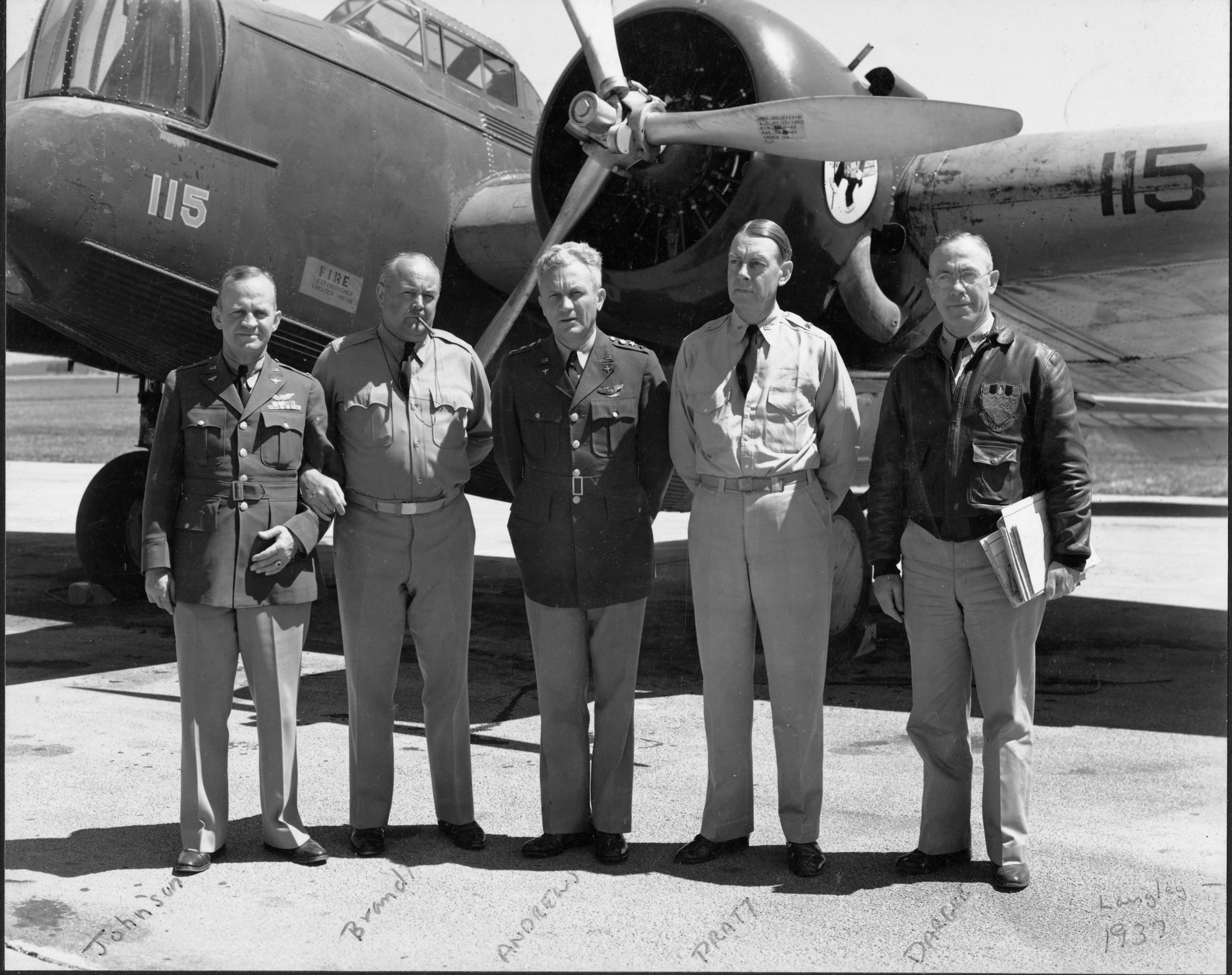
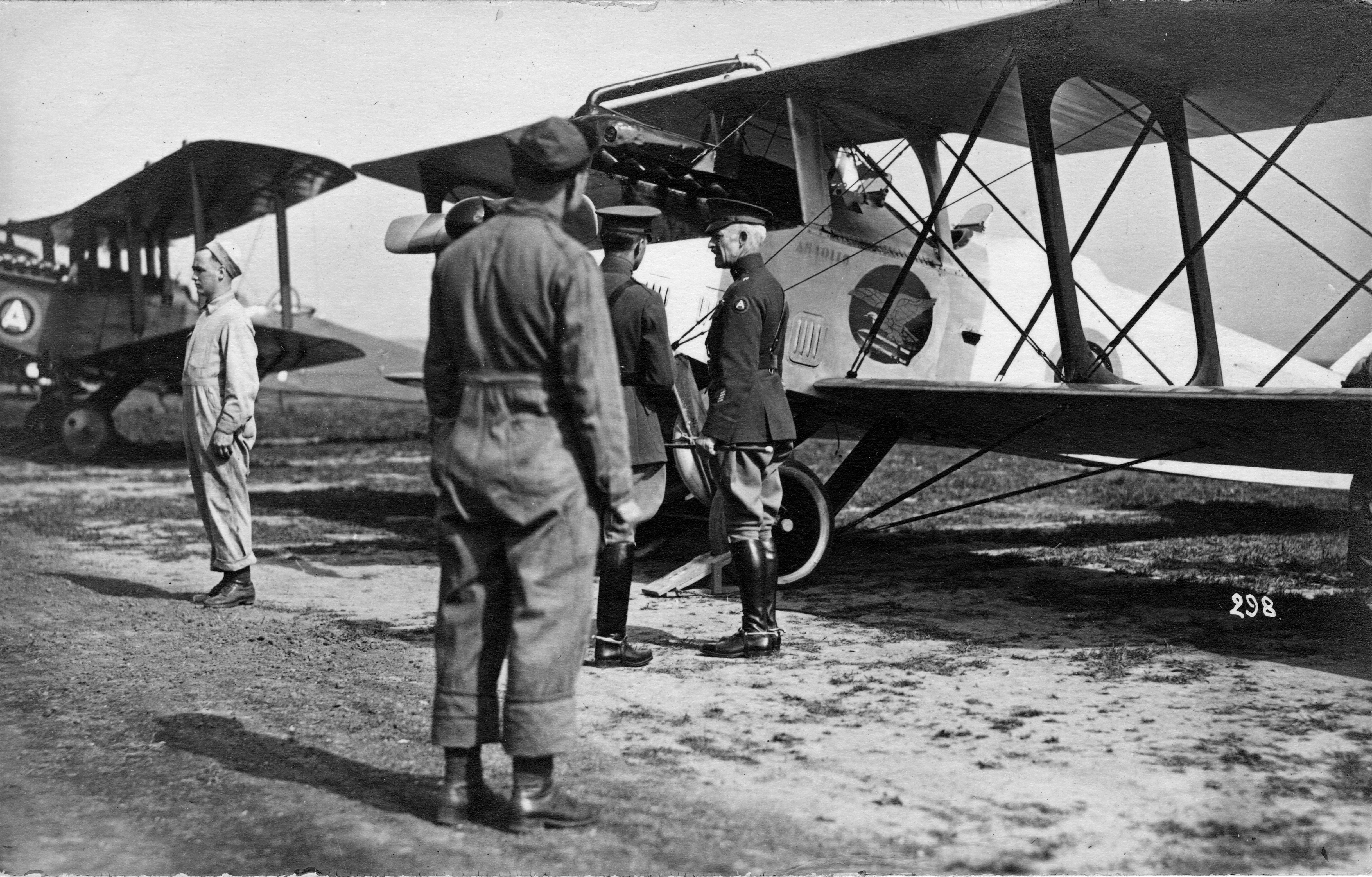
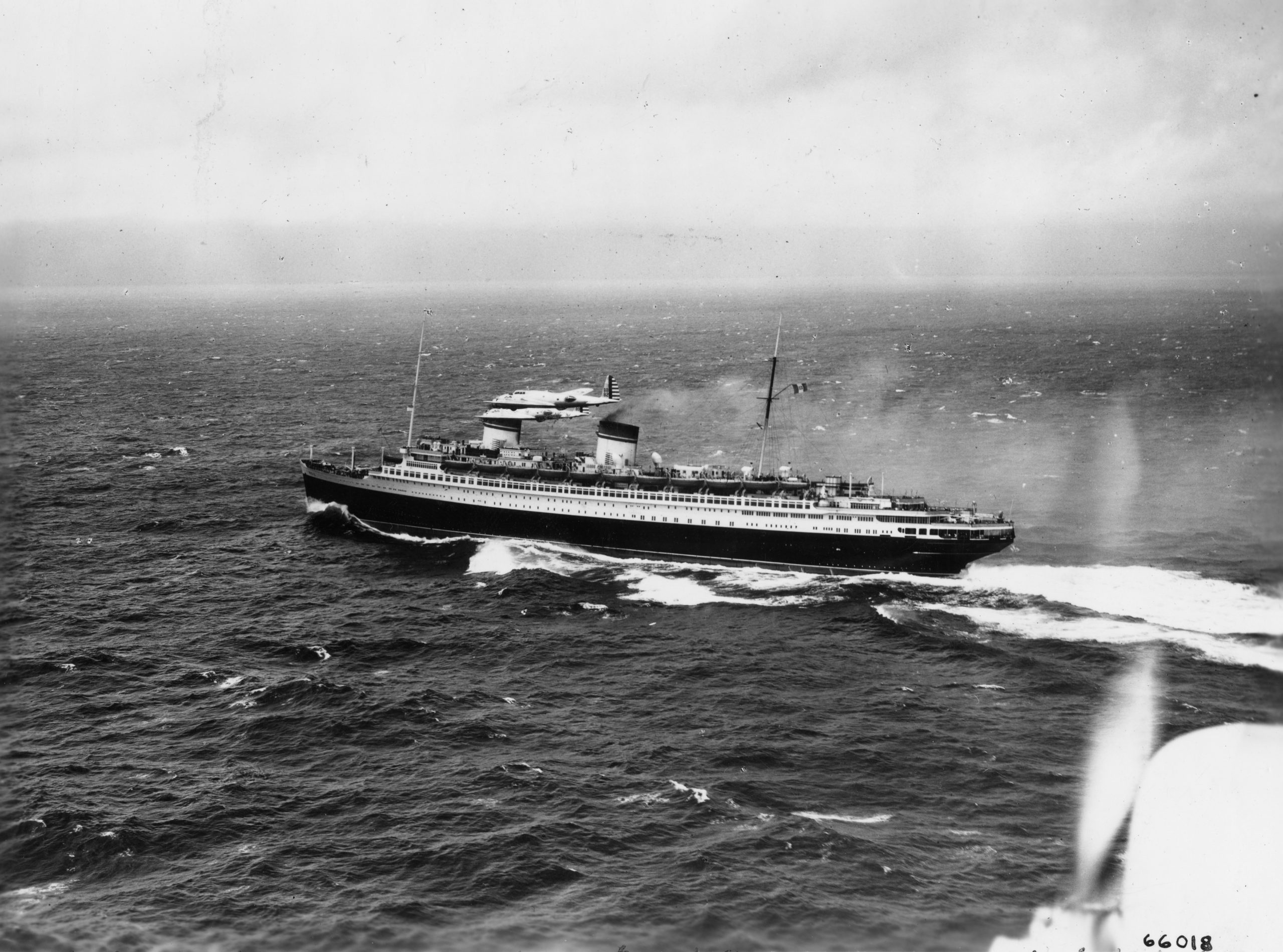
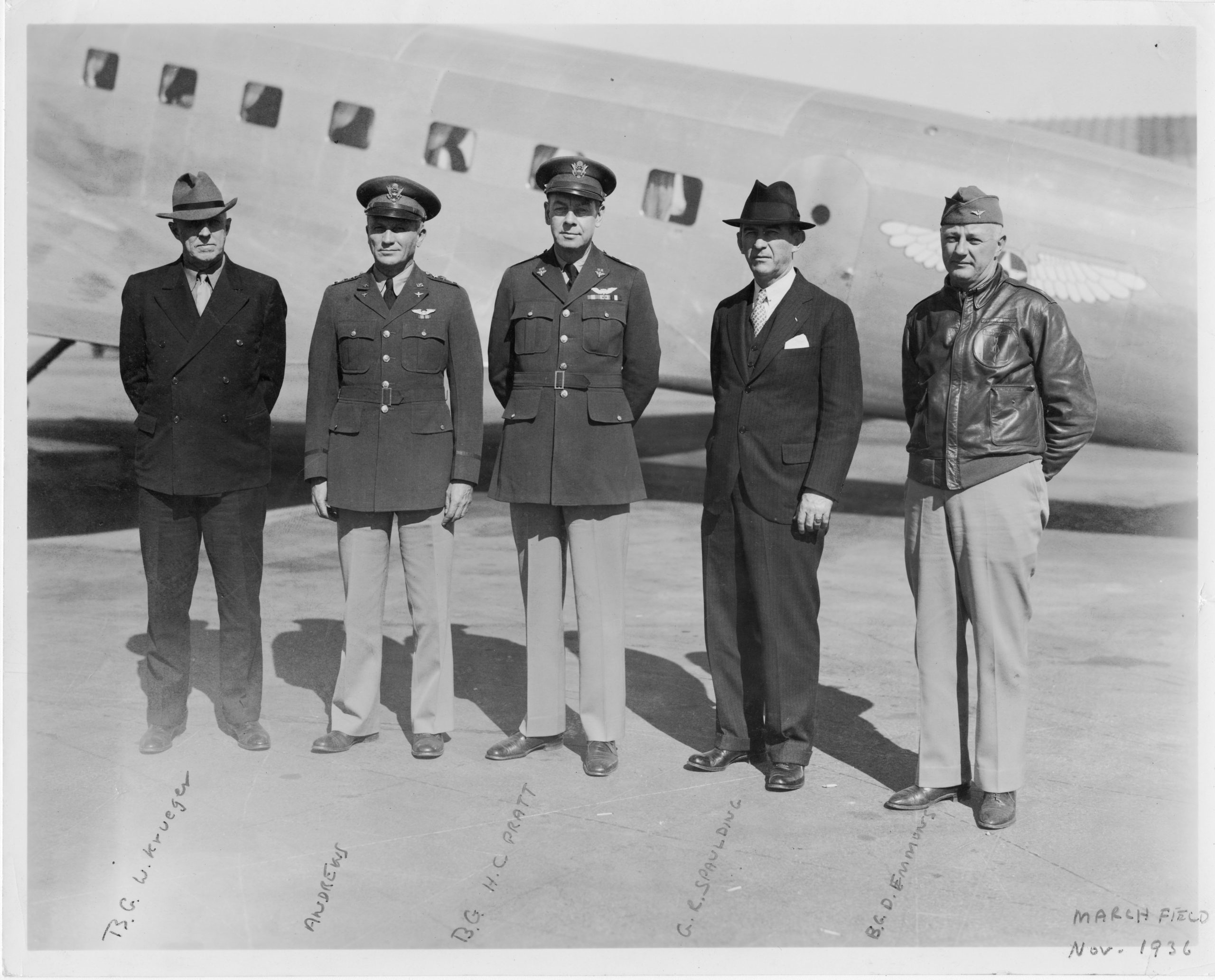
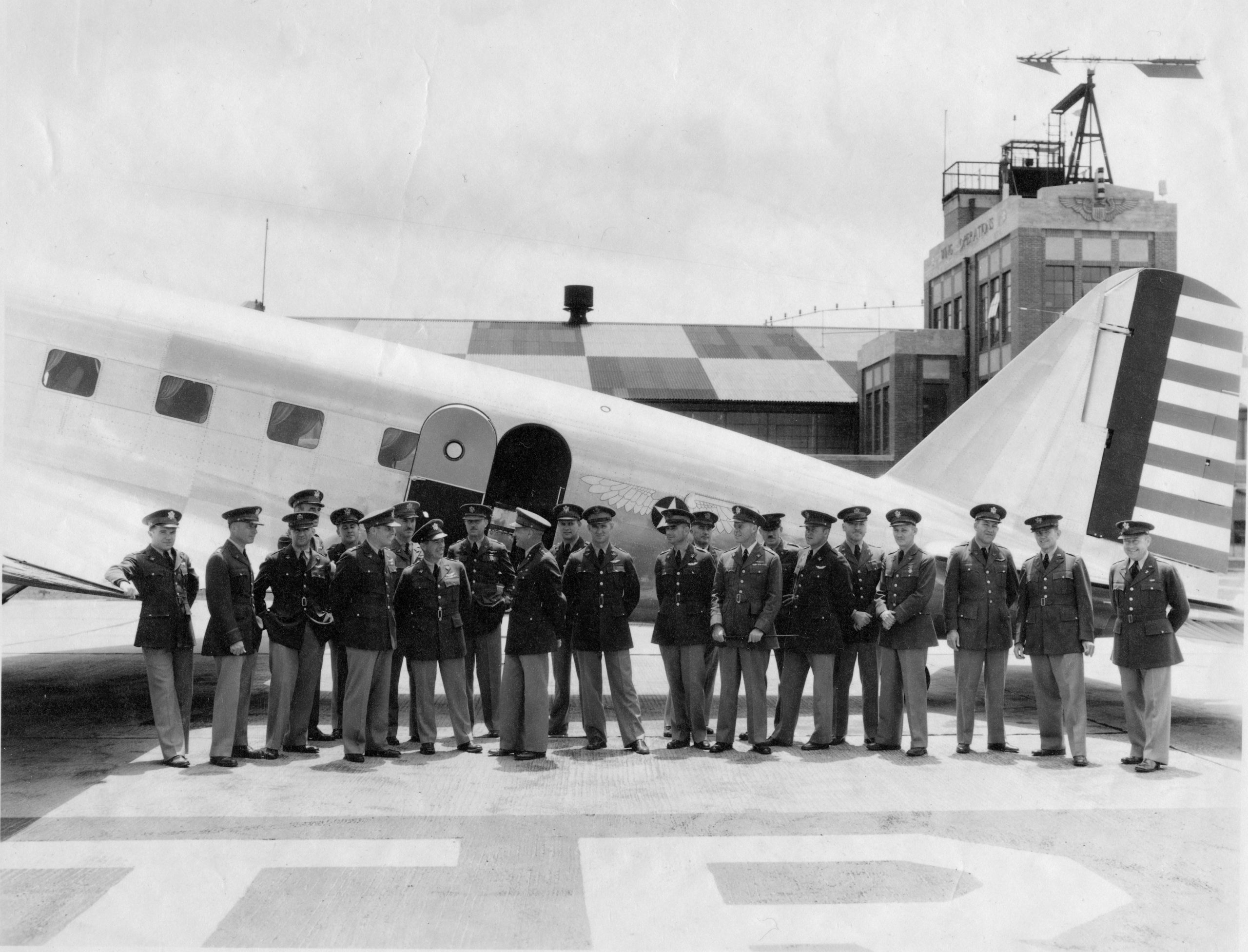
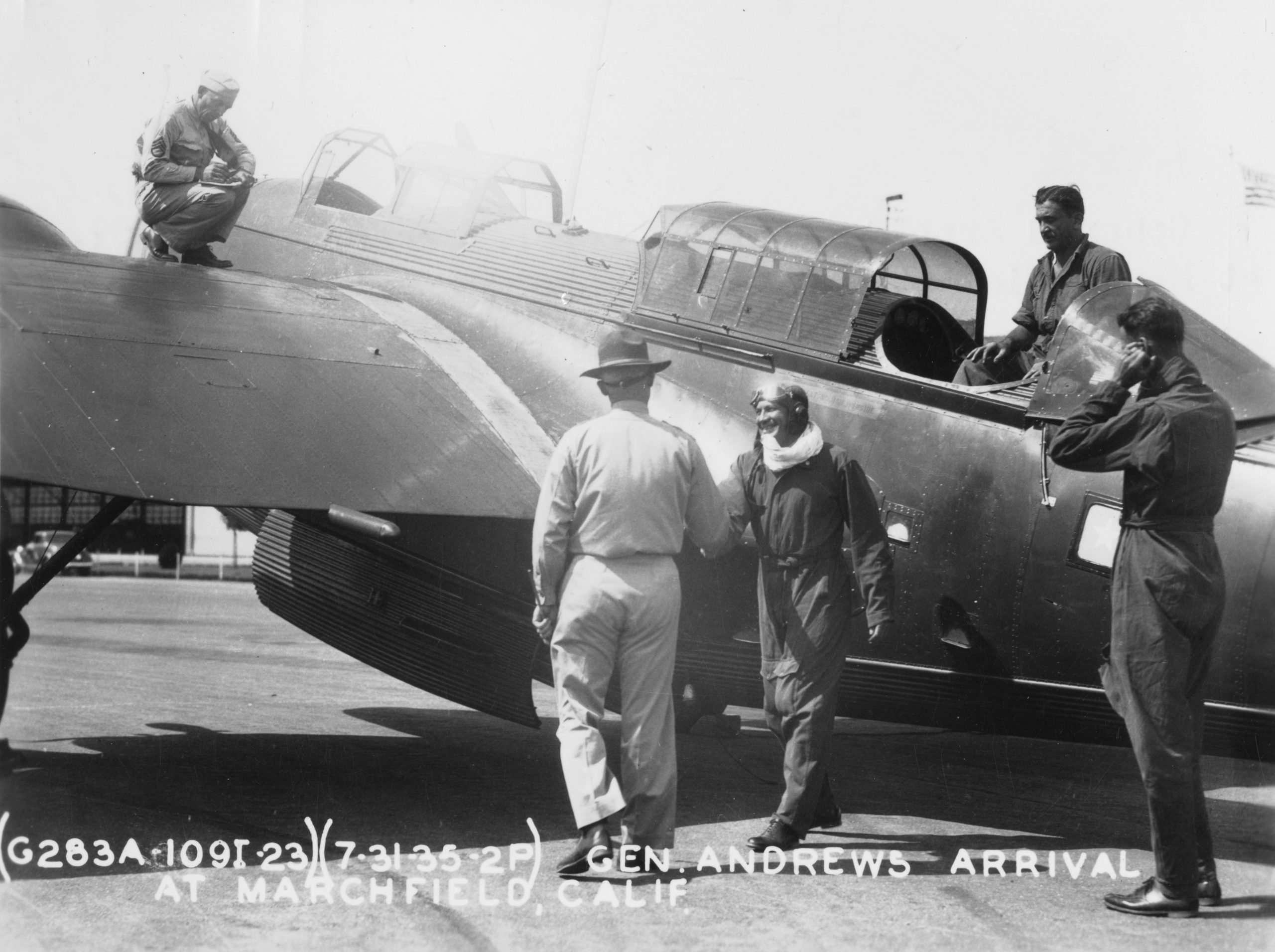
- Permanent exhibit honoring Andrews, outside the office of the U.S. Air Force chief of staff on the Arnold Corridor, Pentagon
- Career summary from military service record (201 file)
- 1905: Andrews among the corps of cadets and midshipmen in ranks immediately in front of the U.S. Capitol for Theodore Roosevelt’s inauguration–silent film
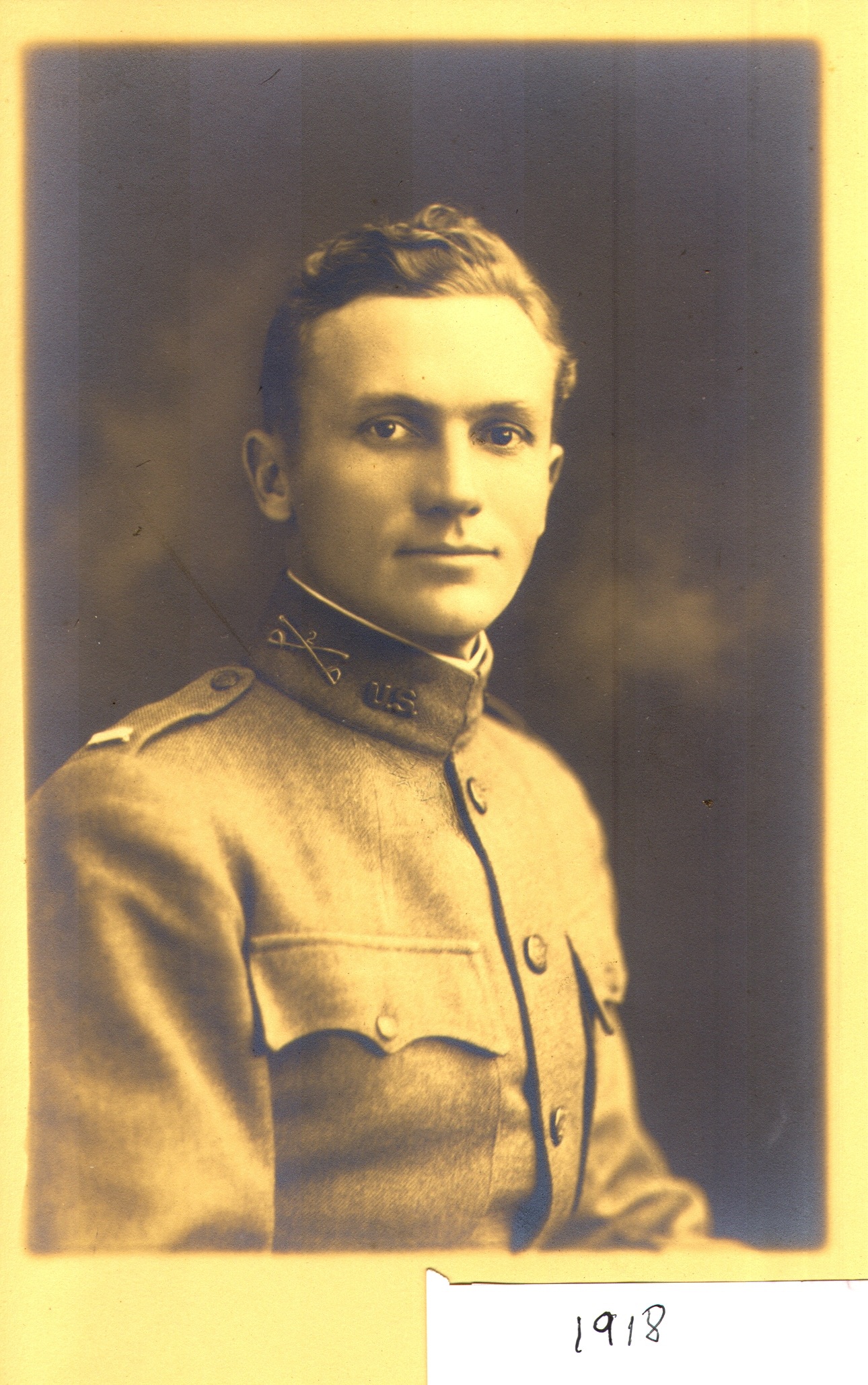
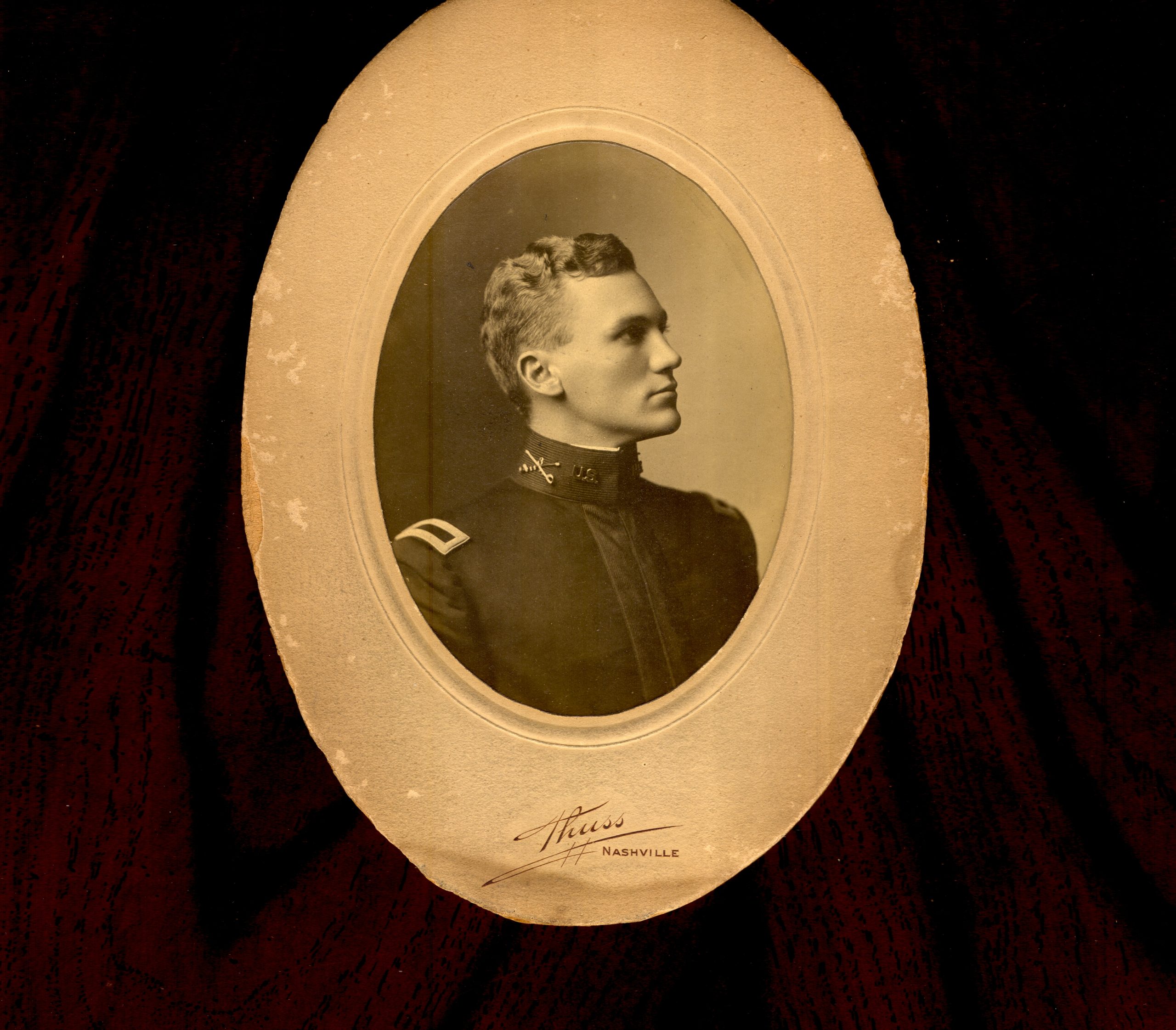
- 1906: The senior slide of Cadet Andrews
- 1907: 2nd Lt. Andrews reports on his management of 8th Cavalry soldiers handling a forest fire in Yellowstone National Park.
- 1908: The performance of Andrews is just shy of “excellent,” in the view of his commander–and future father-in-law.
- 1913: From Honolulu, “Maxwell” writes his mother as he ends his term as aide-de-camp to Hawaii’s Army commander: “This will always be an important military station if the Japanese do not take it.”
- 1913: From El Paso, Andrews tells his parents he intends to go into the “aviation business.”
- 1914: The Army denies Andrews’ first request to become an aviator.
- 1918: Andrews arrives at Rockwell Field, San Diego, for flight training.
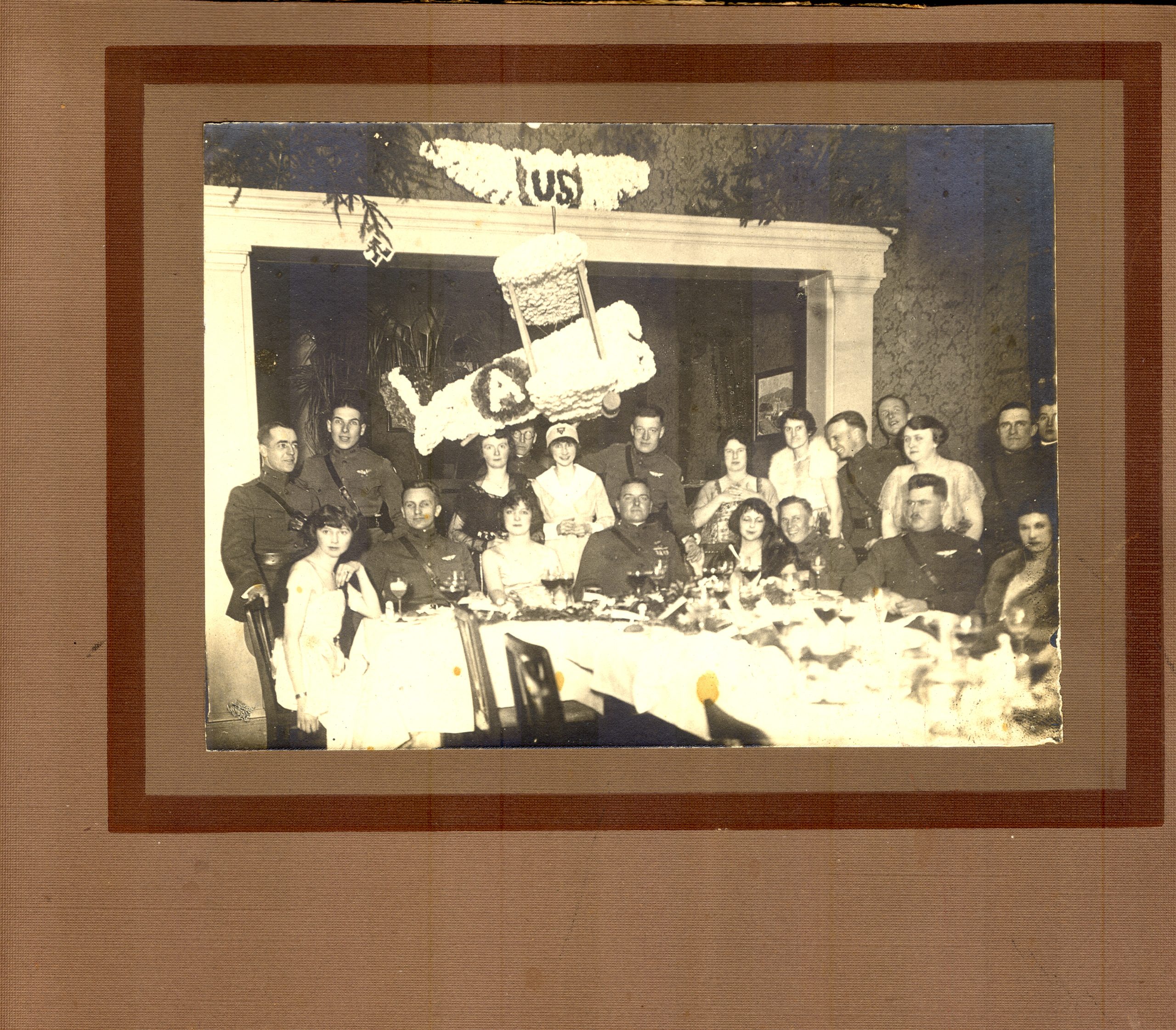
- 1921: Christmas card of Air Service, American Forces in Germany, with Andrews in command.
- 1926: Andrews ferries a new Douglas observation aircraft from California to Kelly Field, San Antonio, his home station.
- 1929: Andrews graduates from Command and General Staff School, along with Hap Arnold and Omar Bradley.
- 1933: Eleanor Roosevelt invites Col. and Mrs. Andrews to the White House.
- 1934: Andrews predicts “disastrous consequences” if U.S. leaders remain unaware of air warfare developments.
- 1935: Andrews learns a painful lesson about supposedly “secret” Congressional testimony
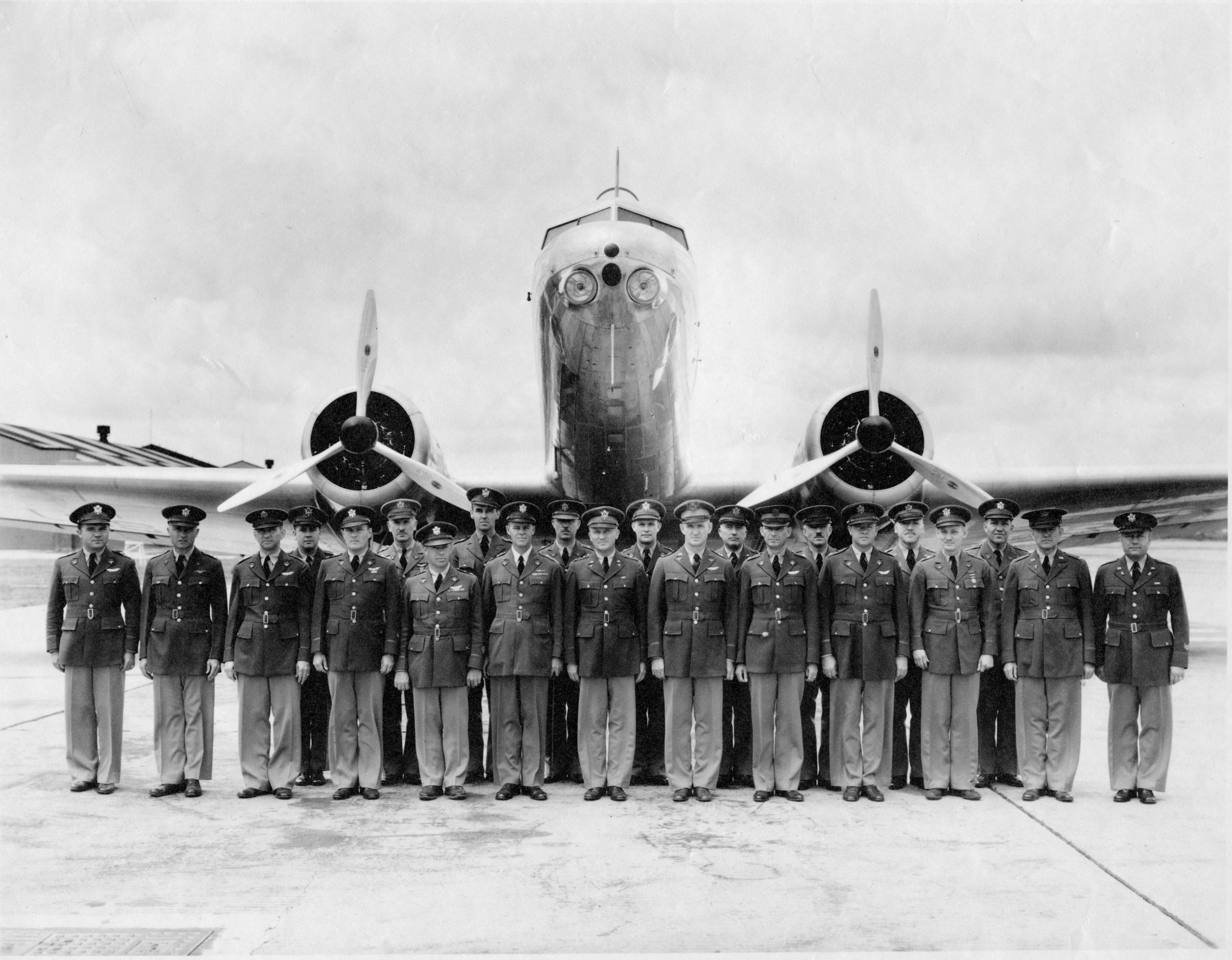
- 1937: Andrews argues that the Air Corps and Army have made a mistake in not placing a large order for B-17 bombers.
- 1938: Andrews, as GHQ Air Force commander, plans to take Brigadier General George C. Marshall, assistant chief of staff on the War Department General Staff, on an eight-day, nationwide tour of air facilities.
- 1938: Marshall reports to his mentor, General of the Armies John J. Pershing, about the air tour with Andrews.
- 1939: With his tenure at GHQ Air Force soon to end, Andrews goes public about his dissatisfaction with U.S. commitment to air power.
- 1939: The wife of a fellow officer implores Eleanor Roosevelt to use her influence on behalf of Andrews after his loss of rank and exile to a backwater assignment.
- 1939: An ally of Andrews reports on FDR’s angry reaction upon learning from the first lady how air power advocates have been ignored and mistreated.
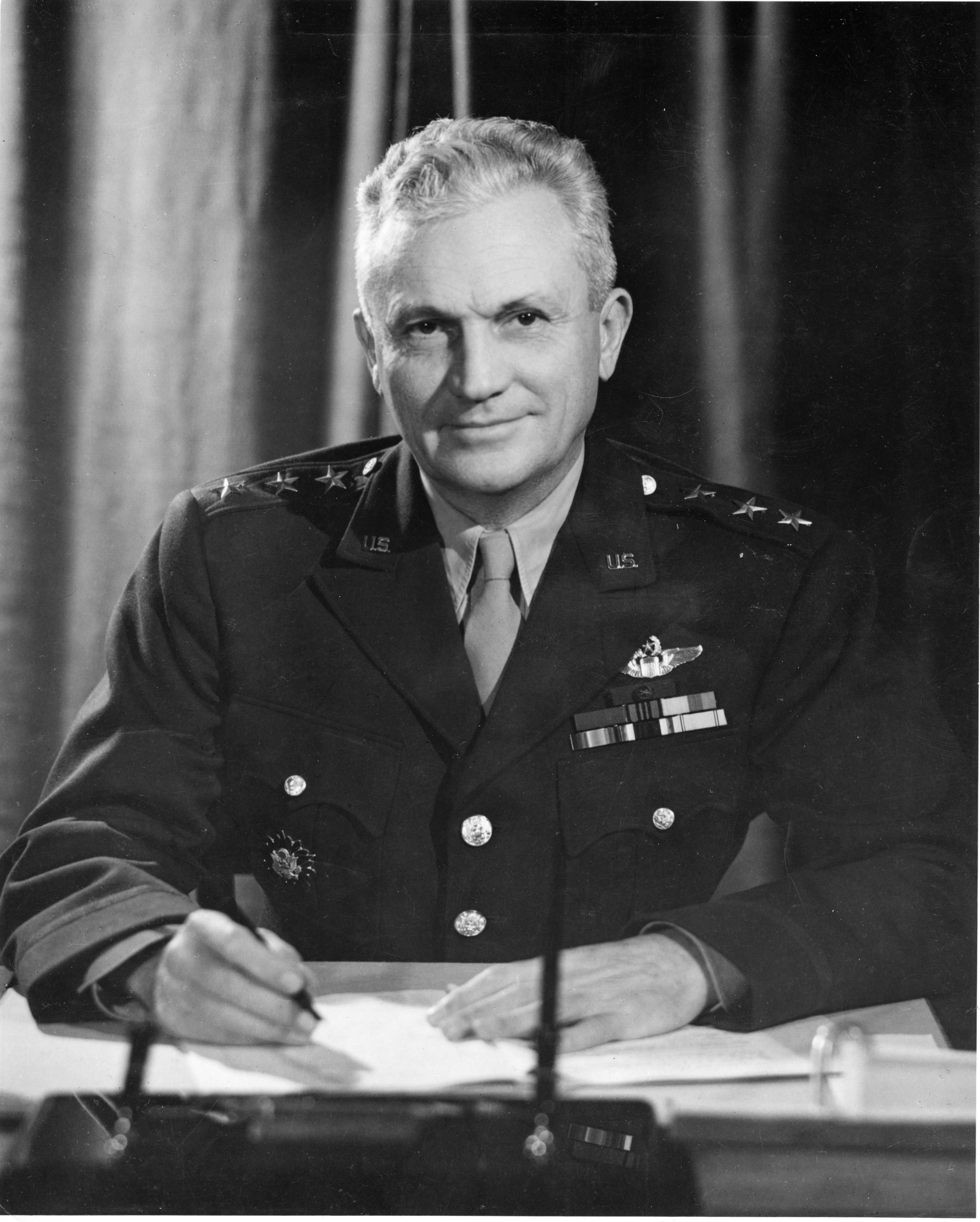
- 1939: Incoming Army Chief of Staff George C. Marshall makes the promotion and hiring of Andrews to the General Staff a condition of taking office, against firm opposition from senior officials.
- 1940: As he presides over the Army’s pre-war mobilization, Andrews leads the creation of armored divisions for the first time.
- 1940: A wire-service profile details the massive mobilization effort that Andrews has led for more than a year.
- 1941: In the run-up to Pearl Harbor, Fortune magazine hails Andrews for putting his career on the line in the 1930s as the primary champion of the B-17.
- 1941: In late November, General Marshall warns Caribbean/Panama Canal commander Andrews that war with Japan may be imminent.
- 1941: Andrews responds to Marshall, saying the Canal Zone is dangerously vulnerable to attack.
- 1941: As news of the Pearl Harbor attack reaches Washington, Marshall sends word that Andrews ought to “round up the suspicious characters” in Panama.
- 1942: In the first months of U.S. involvement in the war, a German U-Boat opens fire on the Dutch island of Aruba while Andrews is visiting.
- 1942: Days after flying from Panama to Cairo and taking command of U.S. Forces in the Middle East, Andrews reports on efforts to drive Rommel’s forces out of North Africa.
- 1942: Andrews negotiates a status-of-forces agreement with Iranian authorities in Teheran.
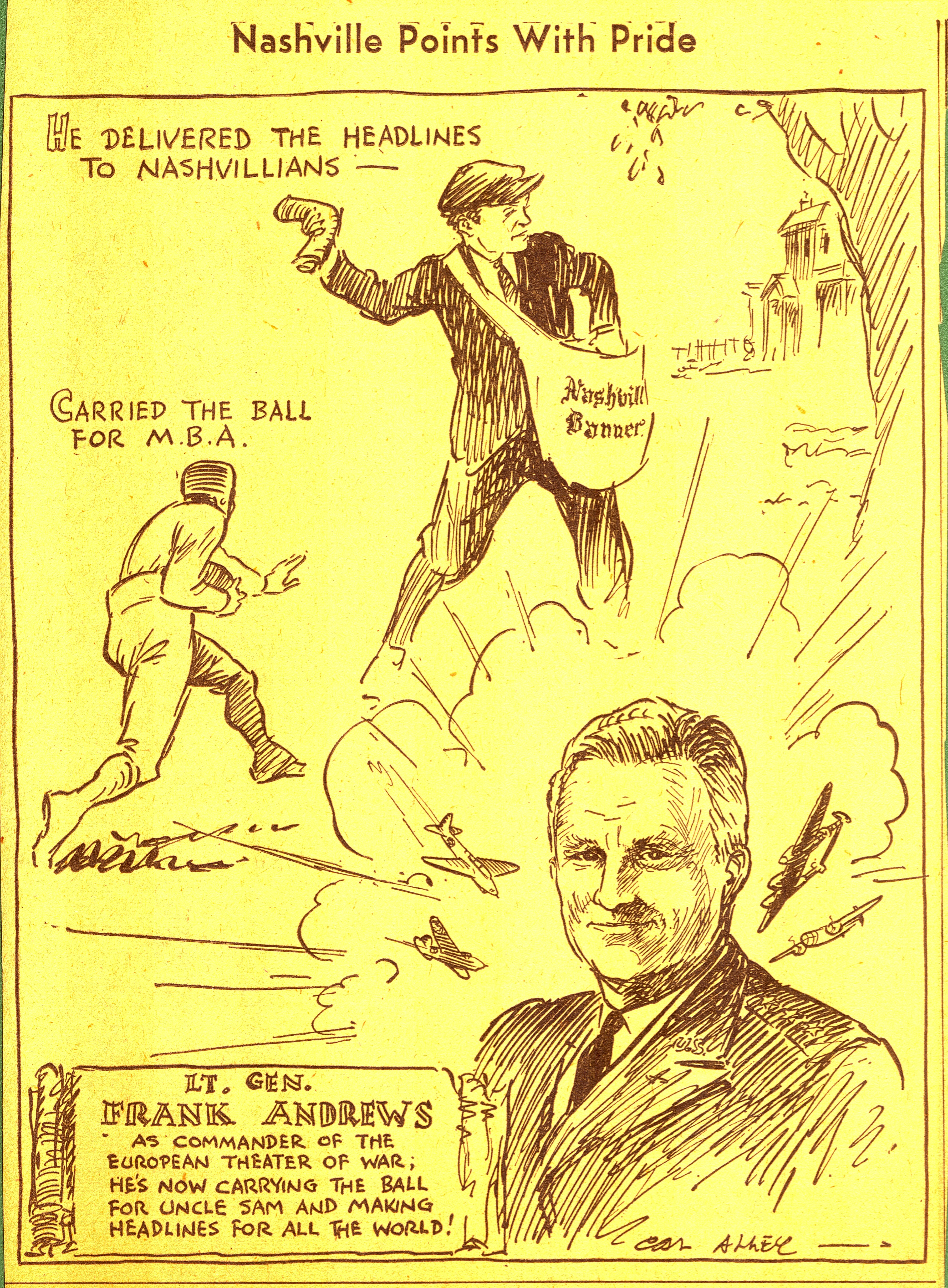
- 1943: At the Casablanca conference of Allied leaders in January, with Roosevelt and Churchill taking part, the Joint Chiefs decide to put Andrews in charge of the U.S. European Theater of Operations, based in England.
- 1943: In March, Andrews declines a mother’s plea to commute the death sentence her soldier son received for killing an officer.
- 1943: Andrews, Churchill and other top leaders celebrate the first highly successful raid on Germany by U.S. bombers.
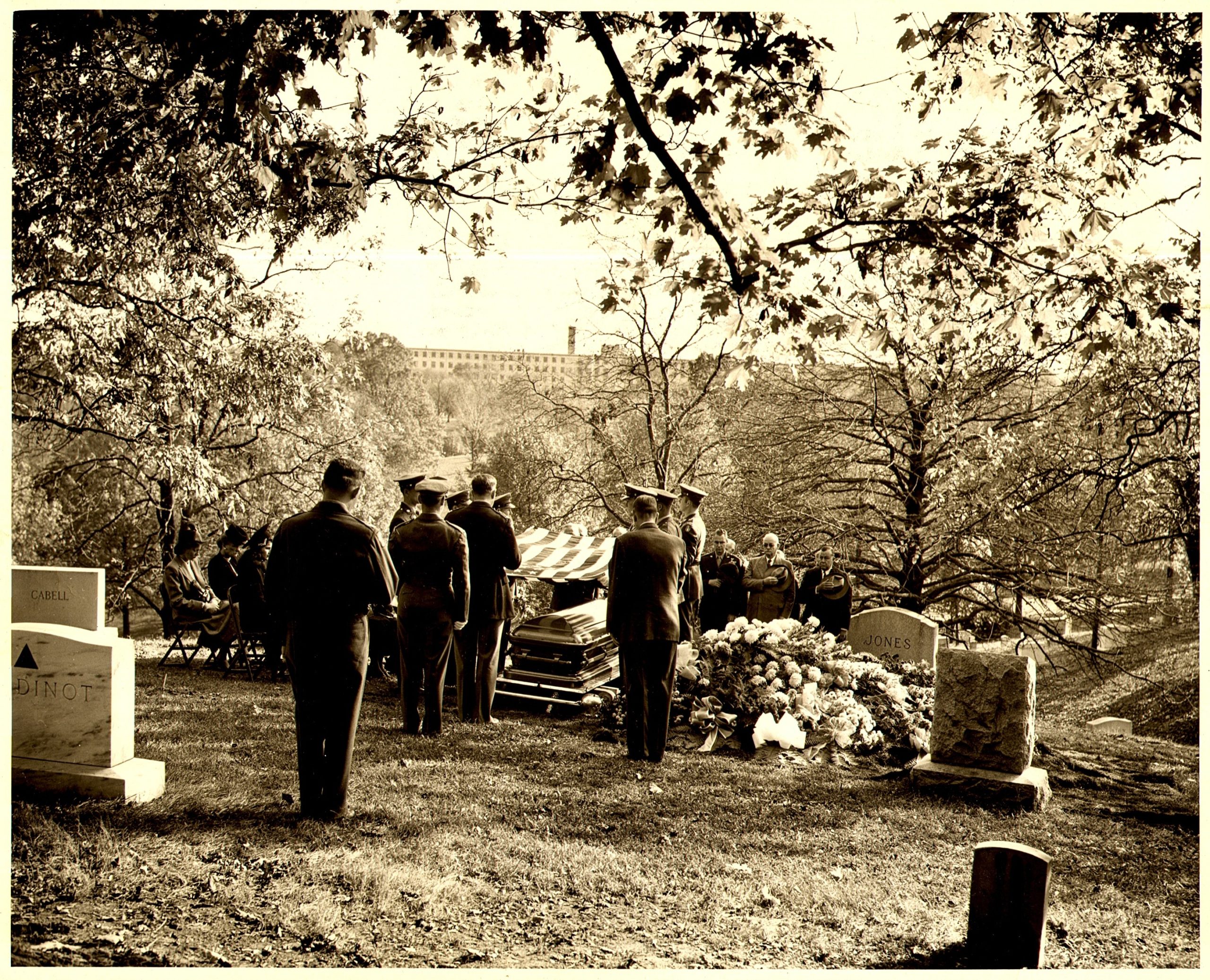
- 1943: On May 3, Andrews and much of his staff perish in the crash of a B-24 in Iceland.